Health & Wellness
Health Tips
Heart Health & Diabetes: What Every Woman Should Know
Share



Amanda Lollini, APRN-CNP, is a provider at Memorial Family Medicine | Mill Valley. She has advanced education and clinical training across many areas of care, including women’s health and gynecologic care, and she’s menopause certified. Here’s what Amanda wants women to know about their heart health and diabetes.
Why This Matters
- Heart disease is the #1 cause of death in women
- Risk increases in midlife and menopause
- Diabetes greatly increases heart risk
- Many women have no warning symptoms
Common Risk Factors
- High blood pressure
- High cholesterol
- Diabetes or prediabetes
- Family history of heart disease
- Smoking or vaping
- Stress or poor sleep
- Overweight or obesity
Know Your Numbers
- Blood pressure
- Cholesterol (lipid panel)
- Blood sugar (A1C or fasting glucose)
- Weight and waist size, BMI
| Parameter | Normal/Optimal |
| Blood Pressure | <120/<80 mm Hg |
| Fasting Glucose | 70-99 mg/dL |
| A1C | <5.7% |
| LDL | <100 mg/dL |
| HDL | ≥50 mg/dL |
| Triglycerides | <150 mg/dL |
| Total Cholesterol | <200 mg/dL |
| Non-HDL | <130 mg/dL |
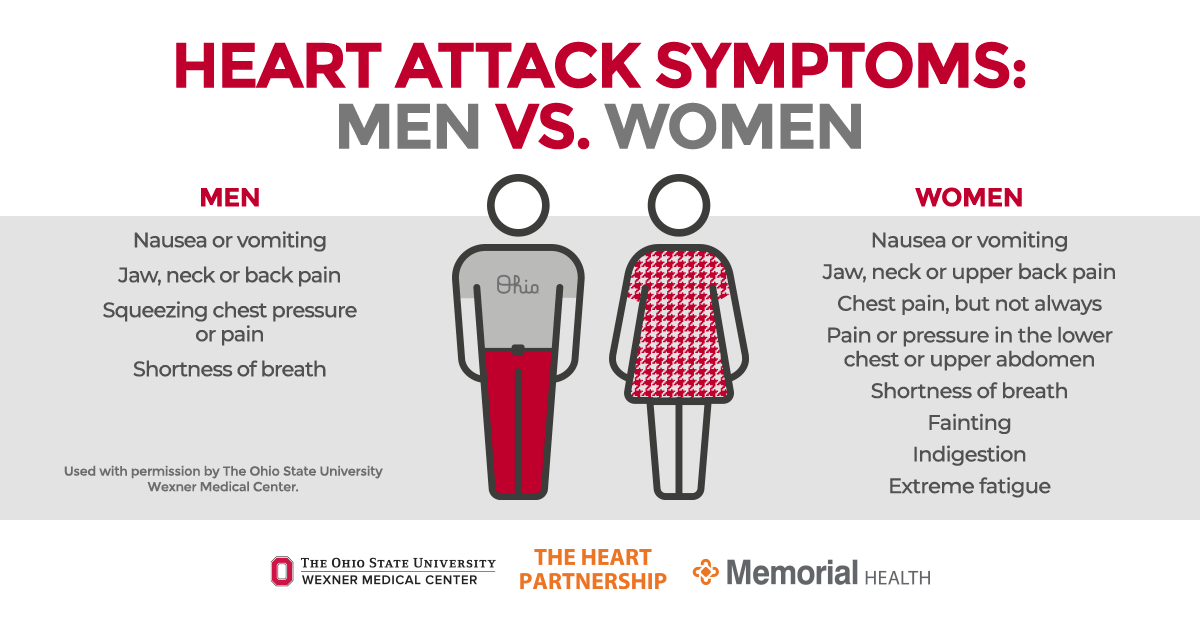
Heart Attack Symptoms In Women
- Chest pressure or discomfort
- Shortness of breath
- Nausea or vomiting
- Indigestion
- Jaw, neck, shoulder, or back pain
- Extreme fatigue or dizziness
- Fainting
Symptoms may be different than men.
Diabetes & Your Heart
- High blood sugar damages blood vessels
- Women with diabetes are more likely to have heart attacks
- Prediabetes also increases heart risk
- Elevated glucose worsens insulin resistance and inflammation
- Managing blood sugar protects your heart, kidneys, eyes, and nerves
Impact of Menopause
- Loss of estrogen leads to changes in cholesterol levels (LDL rises, HDL falls)
- Increased insulin resistance
- Central (visceral) fat increases
- Blood pressure increases
- Increased triglycerides, metabolic changes
- Can increase overall risk of cardiovascular disease, heart failure, coronary artery disease/heart attack
Steps You Can Take Today
- Move your body most days
- Eat more fruits, vegetables, and whole grains
- Limit sugary drinks and processed foods
- Manage stress
- Sleep 7–8 hours
- Avoid smoking and vaping
Small changes make a big difference – it is never too late to get started!
Partner With Your Provider
- Find a primary care provider.
- Keep regular checkups, educate yourself, and discuss screening numbers with your provider.
- Discuss menopause and heart risk.
- Speak up about symptoms EARLY, do not wait to address new concerns.