Regenerative Medicine

IMPORTANT THINGS TO KNOW
Regenerative Medicine can help:
- augment the body’s healing/repair process
- promote repair and injury stabilization
- reduce pain and improve function
Regenerative Medicine refers to using non-surgical measures to enhance the body’s natural healing process, with the goal of repairing damaged tissues. The goal of this type of treatment is to reduce pain and restore function. Many of these procedures will require after-care and post-procedure rehab.
What are examples of Regenerative Medicine?
Platelet-Rich Plasma (PRP) Therapy
Ideal for: Osteoarthritis and Tendinosis
Platelets are a type of cell in the blood that are involved in injury response and tissue healing. These are complex molecular processes, but they start with proteins called growth factors that are found in high concentration in platelets. PRP is produced by obtaining a blood sample and then using a centrifuge to isolate and extract the platelets, which are suspended in plasma. This product is then injected directly into the damaged tendon or joint.
Viscosupplement/Hyaluronic Acid (HA)
Ideal for: Osteoarthritis
Hyaluronic acid is a naturally occurring substance in many tissues throughout the body. Joint fluid is one example of this, as it is rich in hyaluronic acid, and gives the fluid properties that support and protect the joint surfaces. Hyaluronic acid injections are synthetic, gel-like, versions of this substance and are approved for the treatment of osteoarthritis, most commonly in the knee.
Tenotomy
Ideal for: Tendinosis
This is an ultrasound-guided procedure used to treat chronic tendinosis and can be accomplished in a couple of different ways. The rationale for the treatment is to increase blood flow to the damaged portion of the tendon by passing a needle through the abnormal tendon tissue. This is generally performed with a PRP injection in the same procedure, but there are tenotomy procedures that can be performed independently from PRP. TenJet is a special example of tenotomy, in which a specialized probe is inserted into the damaged portion of the tendon, and high-pressure saline is directed at the abnormal fibers. The technology in the probe allows for this tissue to be removed, leaving only the healthy tendon tissue behind and unharmed.
What are patients saying?
“This treatment… has helped me feel like myself again – pain-free.”
– Carolyn H.
“I left with no stitches, no swelling, and didn’t need to take pain medicine… and now I don’t even think about those painful days of the past.”
– Tammy H.
Are these treatments covered by insurance?
Not all Regenerative Medicine treatments are covered by insurance currently. Generally speaking, PRP and stem cell injections are not recognized as covered services by most insurance plans. TenJet, however, is typically covered by most plans, but our office will still run a prior authorization to ensure it is covered before the procedure is performed.
How do I know if these treatment options are right for me?
The field of Regenerative Medicine holds a great deal of potential and offers an alternative to traditional treatments for common musculoskeletal problems. However, it is important to recognize that each patient is unique, as are the nature of their injuries, and goals for treatment. We recommend a consultation with one of our musculoskeletal specialists.
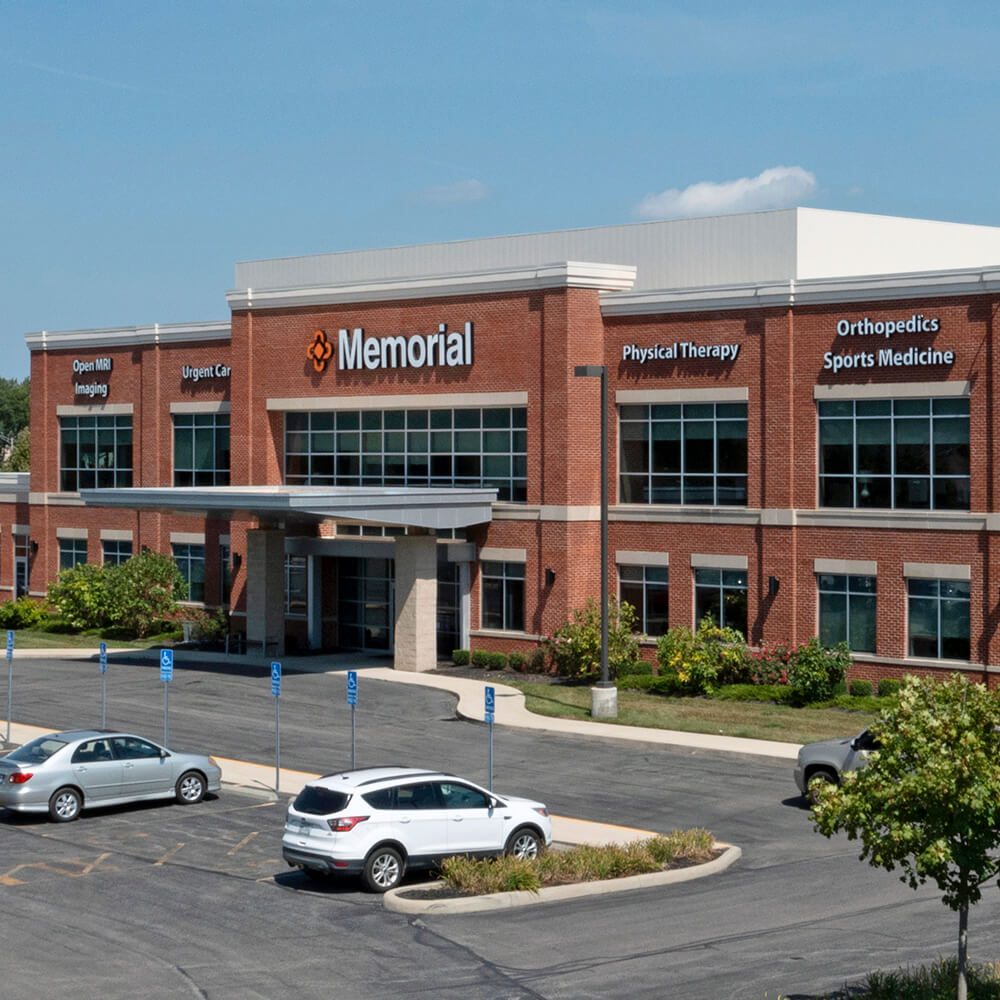
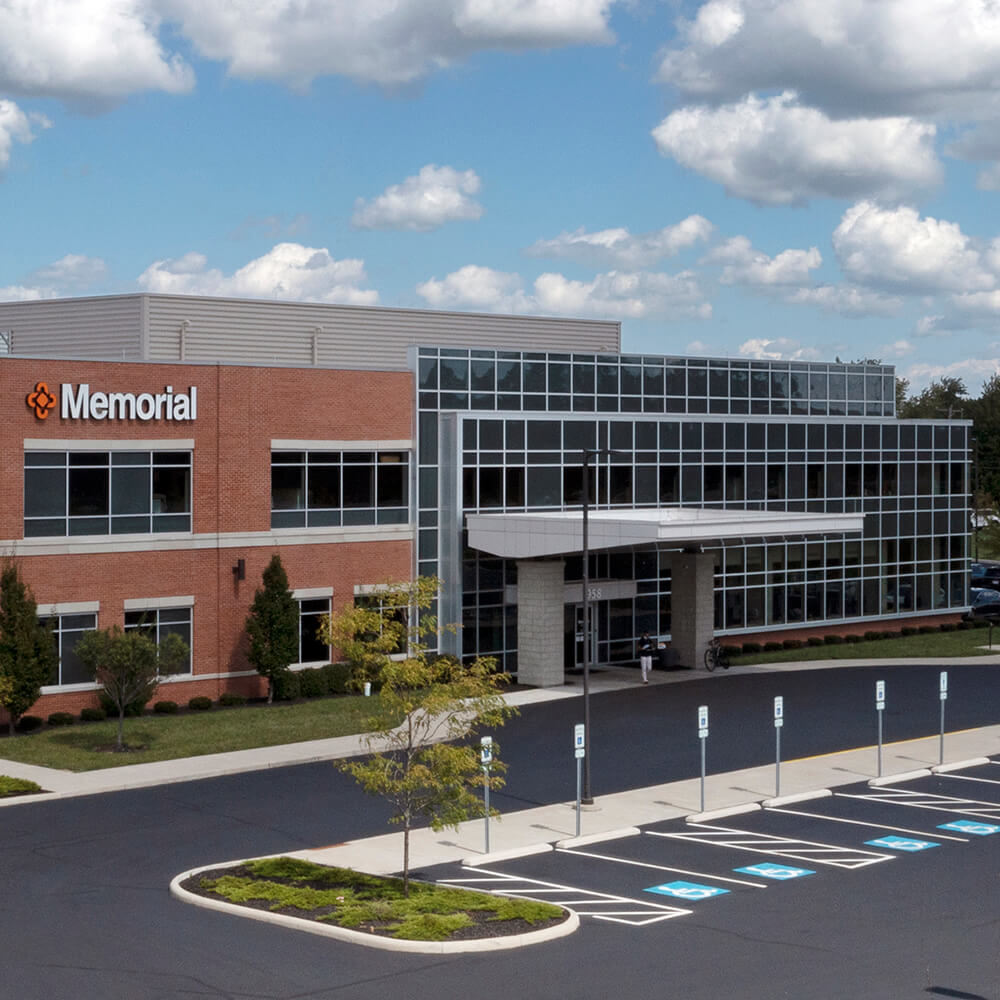
At Memorial Orthopedics & Sports Medicine, our goal is to thoroughly evaluate each patient’s unique issue and to create an individualized treatment plan that meets the patient’s needs.